

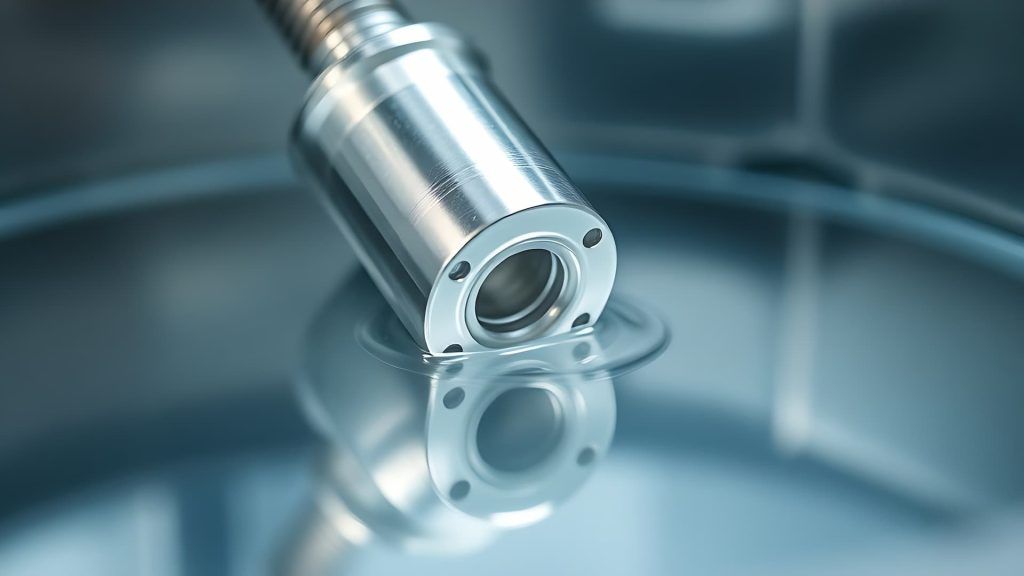
Electroplating is a widely used metal finishing process that improves the appearance, durability, and performance of metal components. From automotive parts to electronics and more, electroplating plays a crucial role in modern UK manufacturing.
In this guide, we’ll explain what electroplating is, how it works, and when it might not be the best option.
Electroplating Explained
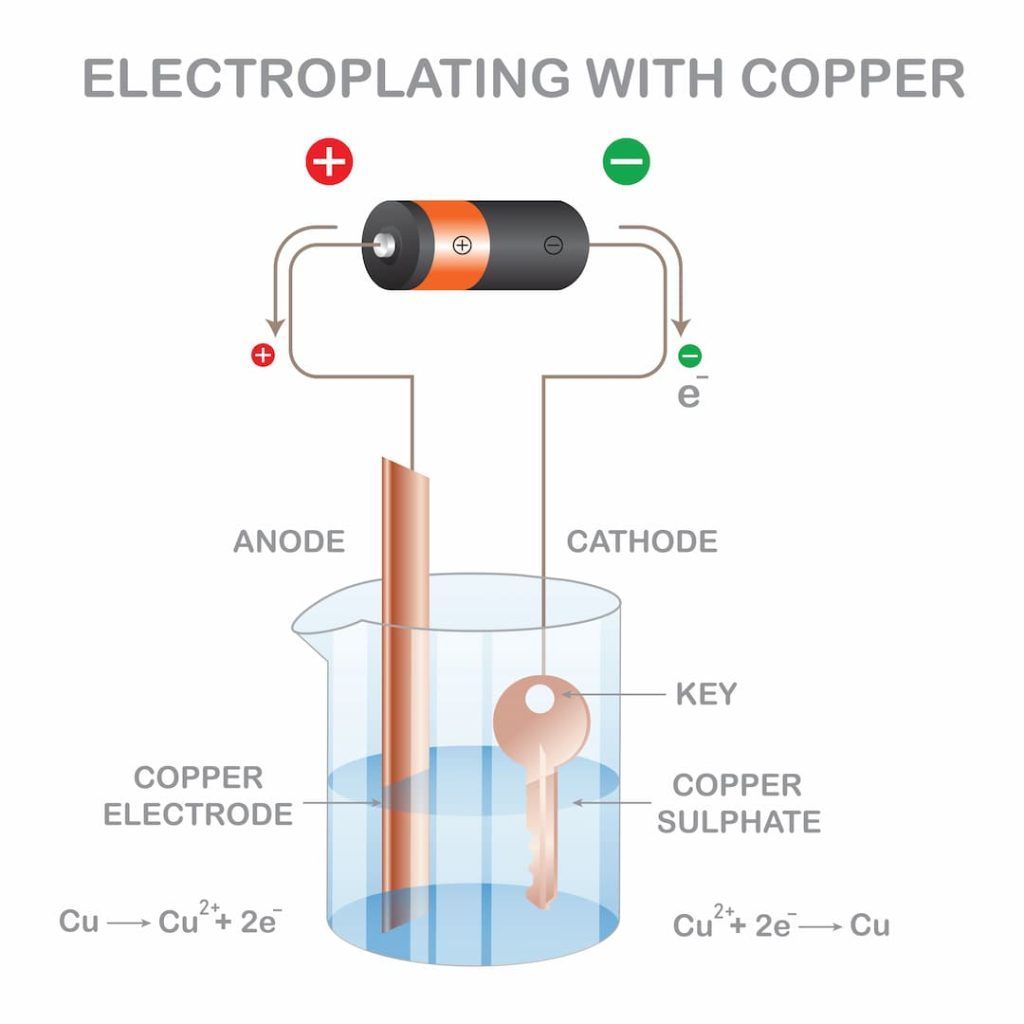
Electroplating is a process that uses an electric current to deposit a thin layer of one metal onto the surface of another. It allows manufacturers to coat a base material — often steel, brass, or aluminium — with metals like zinc, nickel, or chrome, enhancing the properties of the original part without changing its core structure. The process uses a chemical solution and an electrical circuit.
Here’s how it works:
- Clean the component thoroughly to remove dirt, grease, and oxidation.
- Submerge the component in a solution (electrolyte) containing dissolved metal ions.
- Pass an electrical current through the solution.
- Deposit metal ions onto the component’s surface, forming a uniform coating.
This controlled process ensures precise thickness and consistent, high-quality results every time. every time.
Understanding Anodes & Cathodes
In electroplating, the anode is the metal that will be deposited onto the part, while the cathode is the component being plated. When an electric current passes through the electrolyte solution, metal ions from the anode dissolve and attach to the cathode, forming a uniform coating. This simple principle underpins the entire electroplating process and ensures consistent results.
How UK Manufacturers Use Electroplating
Electroplating delivers practical solutions that protect, strengthen, and extend the lifespan of components across a range of industries.
Boats, docks, and marine fasteners face constant exposure to saltwater, which can quickly corrode steel, but zinc coatings provide durable protection and keep these parts serviceable for longer. Additionally, automotive and vehicle components such as alloy wheels, brackets, and engine parts gain both durability and a polished finish when plated with nickel or chrome, resisting wear and corrosion even under heavy use. In electrics, copper or gold plating on electrical connectors and circuit components enhances conductivity while preventing oxidation, ensuring reliable performance over time.
At Metavate, we specialise in applying these techniques nationwide, tailoring each electroplating solution to the specific needs of our clients. We make sure every component is plated to last, no matter where it will be used.
When Electroplating Might Not Be The Best Option
Electroplating is highly versatile, but it isn’t perfect for every application. For example:
- Very Large Components: Large parts can be difficult to plate evenly. Powder coating or painting may be more practical.
- Complex Internal Geometries: If the part has deep cavities, ensuring full coverage with electroplating can be challenging.
- Environmental Concerns: Some plating processes involve chemicals that require careful handling and disposal, meaning other finishing methods might be greener.
- Thickness Requirements: Electroplating produces relatively thin coatings. For heavy-duty protection, thicker coatings like thermal spray may be better.
Get Expert Metal Finishing Services Across The UK
Ensure your components last longer and perform better with Metavate’s expert services. We use advanced Pronotech nanotechnology and Toran 3 pretreatment to deliver precise, high-quality finishes that protect against corrosion, wear, and environmental damage. Serving manufacturers nationwide across the UK, we handle projects of all sizes, from small batches to large-scale production.
Contact our team today to discuss your requirements and find the right solution for your parts.